

How to Protect your Air Weapons from Rust Damage etc
How to Protect your Air Weapons from Rust Damage etc
Do's and Dont's with Air Weapons to Prevent Damage
Protecting an air weapon is about more than just keeping it shiny; it’s about maintaining the mechanical integrity of the rifle or pistol. Because most airguns are constructed from high-carbon steel, they are highly susceptible to oxidation—better known as rust—which can pit the metal and ruin the internal seals.
Here is an in-depth guide on how to safeguard your equipment from the elements.
1. Avoid the "Cold-Damp" Trap
The biggest enemy of an airgun is condensation. Many shooters make the mistake of storing their gear in a garage, shed, or attic.
-
The Science of Rust: When a cold rifle is brought into a warm room (or vice versa), moisture from the air condenses on the metal surfaces, including hard-to-reach areas like the trigger mechanism and inside the barrel.
-
Storage Solution: Always store your airweapons in a dry, temperature-controlled environment inside your home. Avoid outer walls where temperature fluctuations are most extreme.
2. The Danger of "Wet Bags"
It is a common misconception that a padded gun slip is a safe storage container. In reality, a soft case can act like a sponge.
-
Trapped Moisture: If you put a slightly damp rifle into a foam-lined bag and zip it up, you are essentially creating a humidor. The foam holds the moisture against the steel, leading to "speckling" or heavy rust within days.
-
The Rule: Gun slips are for transport only. Once you get home, remove the rifle from the bag immediately, wipe it down, and store it in a hard cabinet or on a rack where air can circulate.
3. Chemical Protection: Legia Spray and Ferrum Oil
To provide a literal barrier between the steel and the oxygen in the air, you must use high-quality oils.
Legia Spray
Legia is a favorite among shooters for its "water-displacing" properties. It is a light, high-penetration spray that is excellent for:
-
Post-Session Cleanup: After a day in the field, a light mist of Legia helps lift moisture and dirt.
-
Hard-to-Reach Places: Because it is a fine spray, it can get into the crevices of the action and safety catches where manual wiping can't reach.
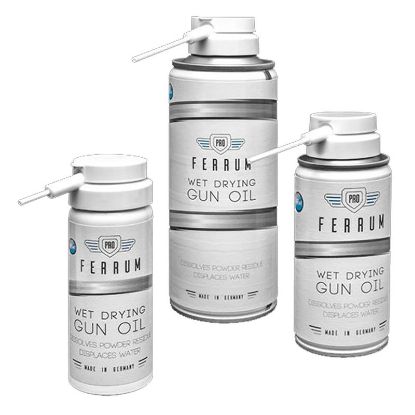
Ferrum Oil
For long-term storage and deep protection, a thicker, specialized gun oil like Ferrum is ideal.
-
The Barrier: Unlike thin sprays that evaporate over time, Ferrum oil stays on the surface, creating a "sacrificial layer."
-
Application: Apply a few drops to a lint-free cloth and "blue" the metalwork by rubbing it in until the metal has a deep, wet-look luster. Never apply these oils to the internal piston or compression chamber of a spring-piston rifle, as this can cause "dieseling" (detonation).
4. The Golden Rule: The "Wipe Down"
Every time you touch your airweapon, the natural oils and acids from your skin are transferred to the metal. Over time, these fingerprints will literally "eat" into the bluing.
Pro Tip: Make it a habit to never put your gun away without a final wipe-down using an oily rag. This ensures that any acidic fingerprints are neutralized and replaced with a protective film of oil, keeping your weapon in mint condition for years to come.
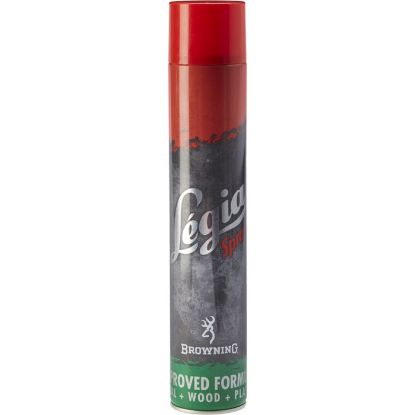
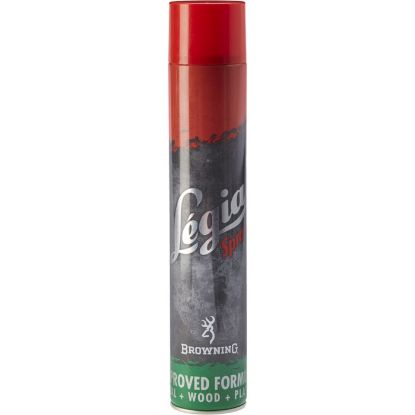
Browning Legia Spray Oil
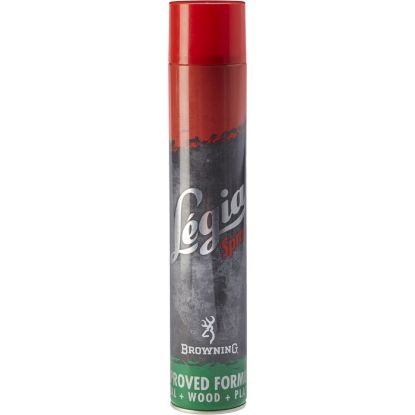
Browning Legia Spray Oil 200ml